DIY · 3 min read
Brushless or brushed motor: what really changes
What "brushless" means on cordless tool listings, when it is worth paying more for it and when a brushed motor is perfectly fine.
Viemylu editorial teamPublished on
Among the features of a cordless tool, “brushless” is perhaps the most used and least explained word. It sits next to the price on the listing and often pushes it up by a few tens of euros. Let us see what it means, what advantages it brings and when you can do without it.
How a brushed motor works
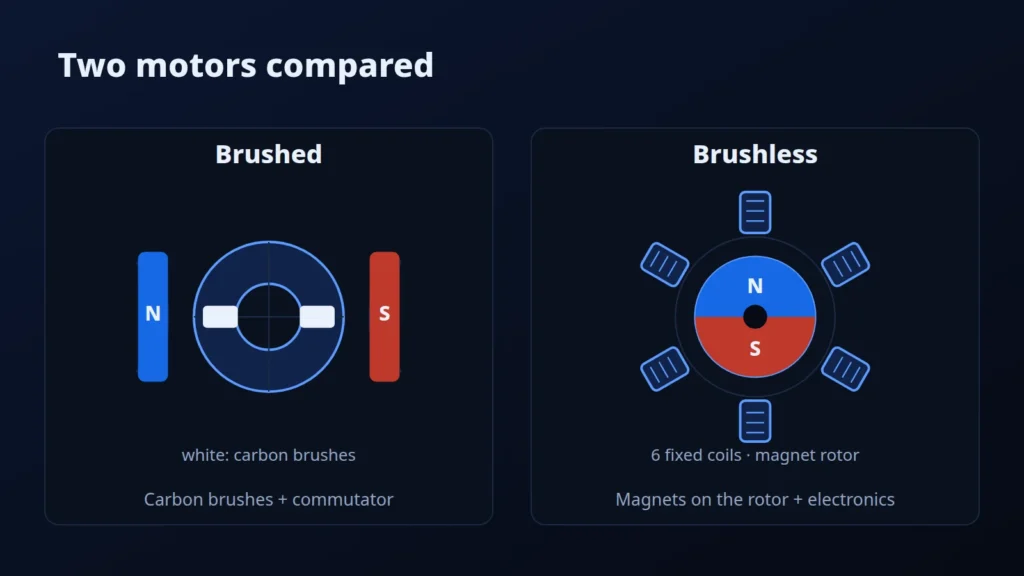
Inside a traditional electric motor there is a turning rotor and a fixed stator. For it to turn, current has to reach the rotor coils while they spin. Two carbon brushes do this by rubbing against the commutator, a ring of metal contacts.
It is a simple, cheap solution, proven for over a century. But it has a physical limit: the brushes rub. That means friction, some heat, tiny sparks and wear. Over time the brushes wear out and need replacing, when the tool allows it.
How a brushless motor works
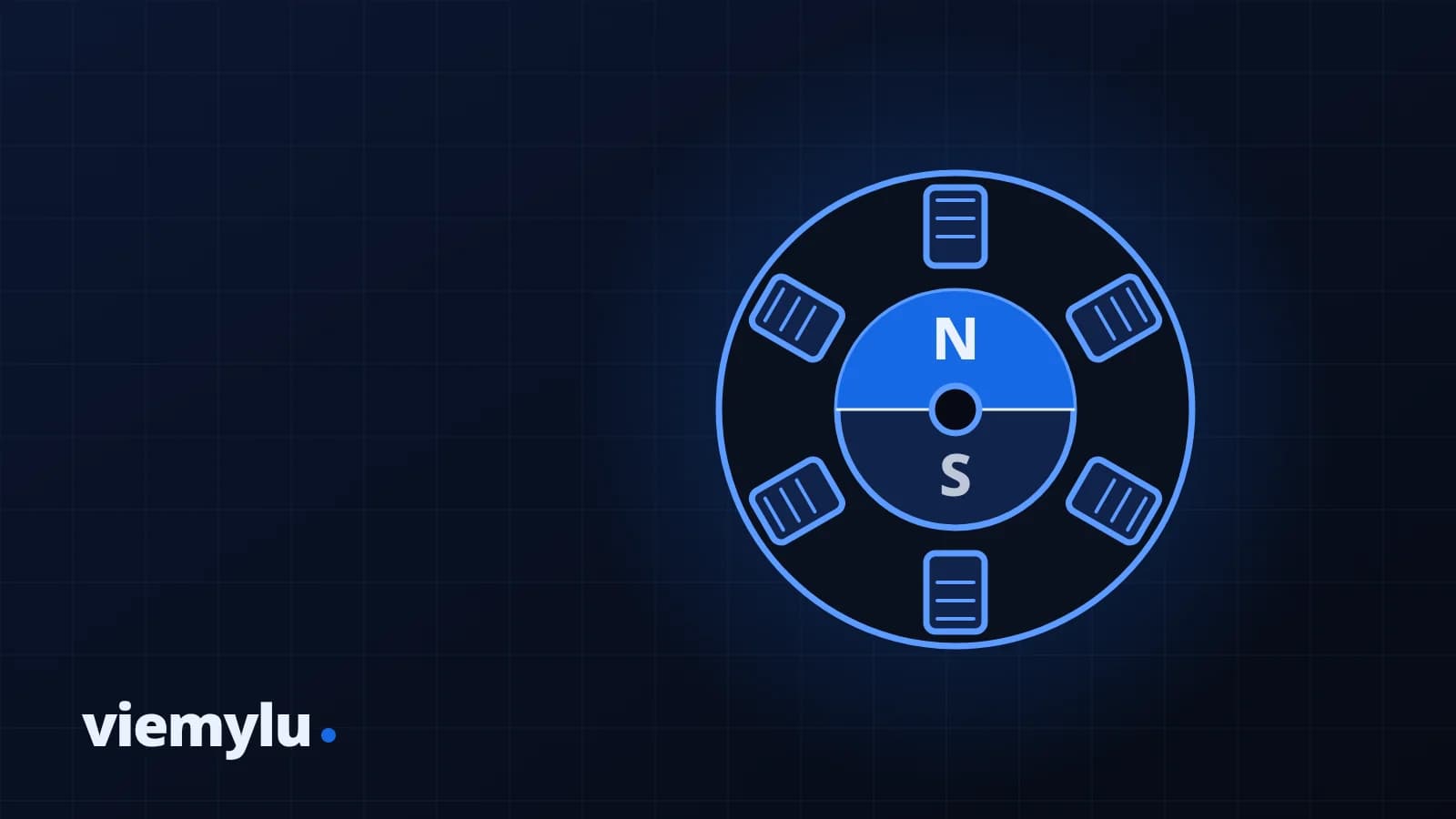
In a brushless motor the rotor carries permanent magnets and the coils sit on the fixed stator. No current has to pass to a moving part. A small electronic board decides which coil to power at each instant by reading the rotor position.
The real advantages of brushless
- Less wear: there are no brushes to wear out, so usually less maintenance and a longer service life.
- More efficient: less energy is lost to friction and heat. With the same battery the tool often runs longer.
- More control: because there is electronics, it can adjust speed and torque to the load, brake the motor and protect it from overload.
- More compact: for the same performance the motor can be smaller and lighter.
- Less noise and no carbon dust inside the tool.
The disadvantages (there are some)
- Higher cost: the motor and especially the electronics cost more.
- Hard to repair: if the board fails, it usually cannot be repaired at home. With brushes, sometimes changing them is enough.
- Not a guarantee of quality: a cheap brushless can be worse than a good brushed motor. Battery, gears and build also matter.
When brushless is worth it
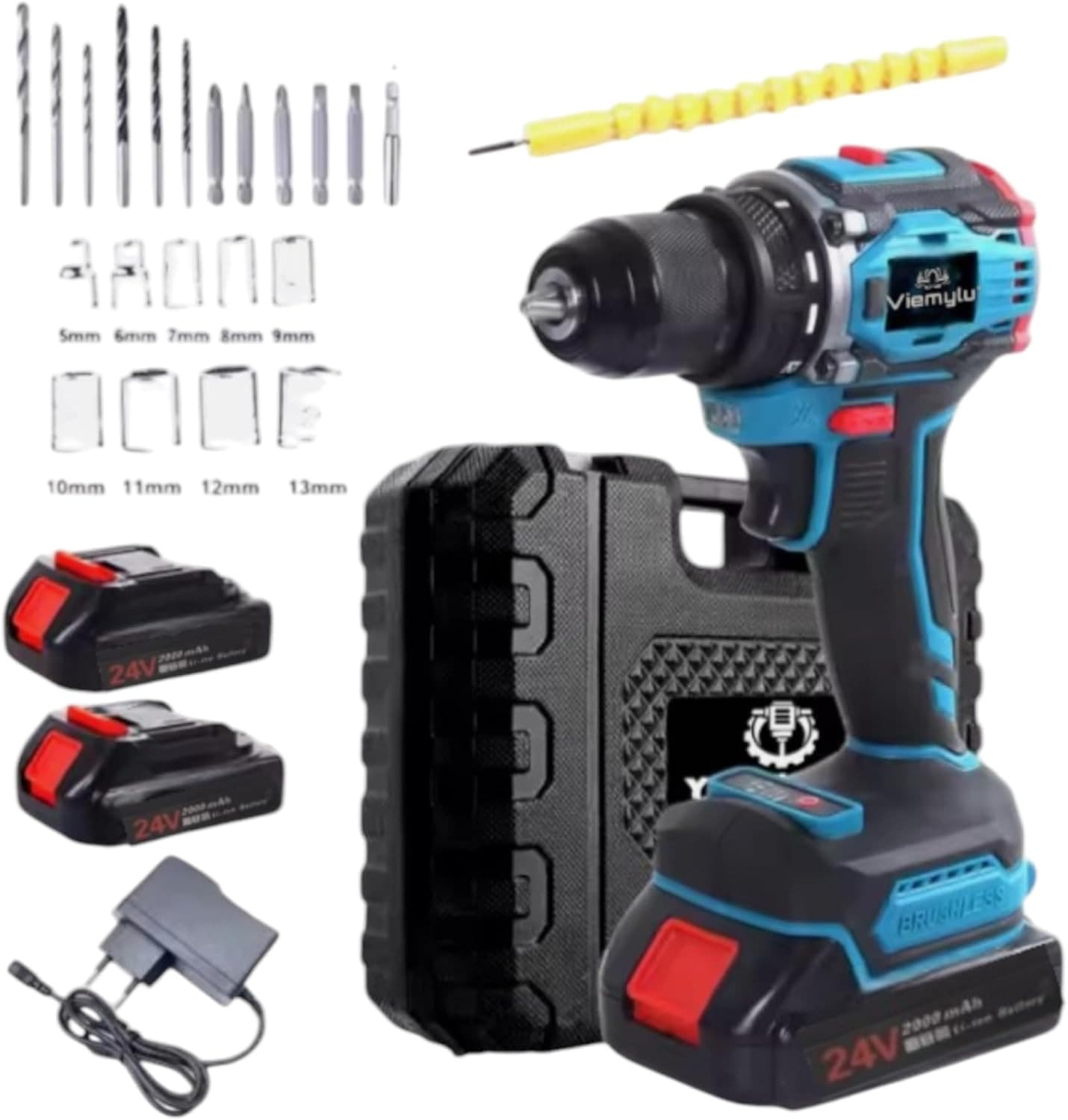
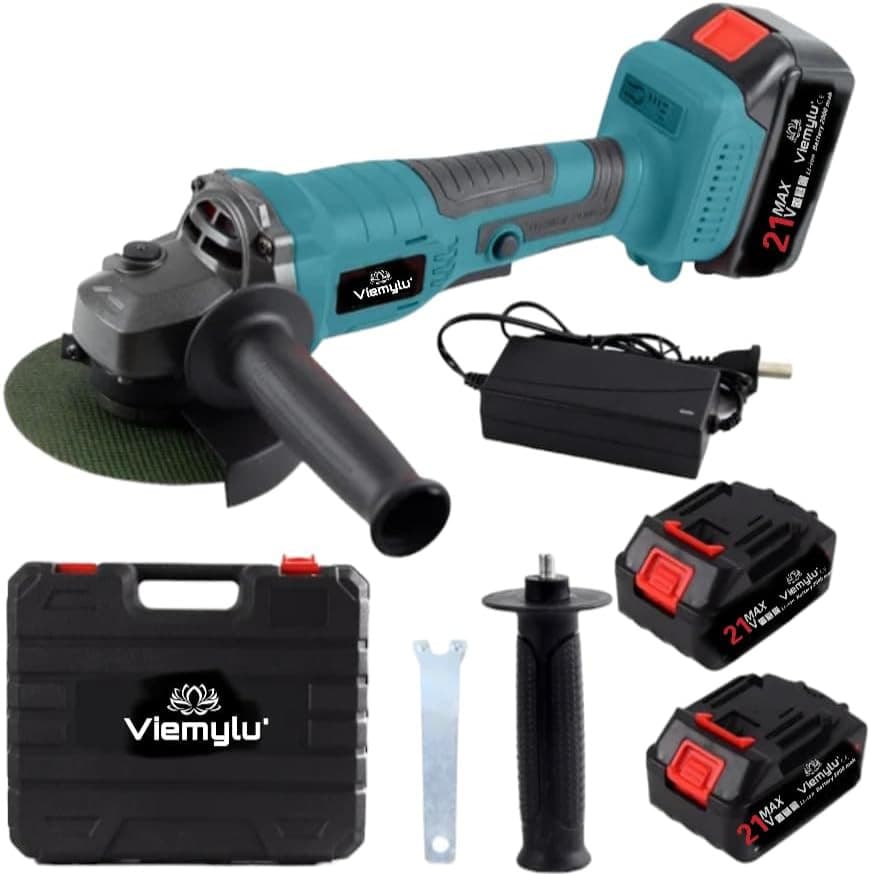
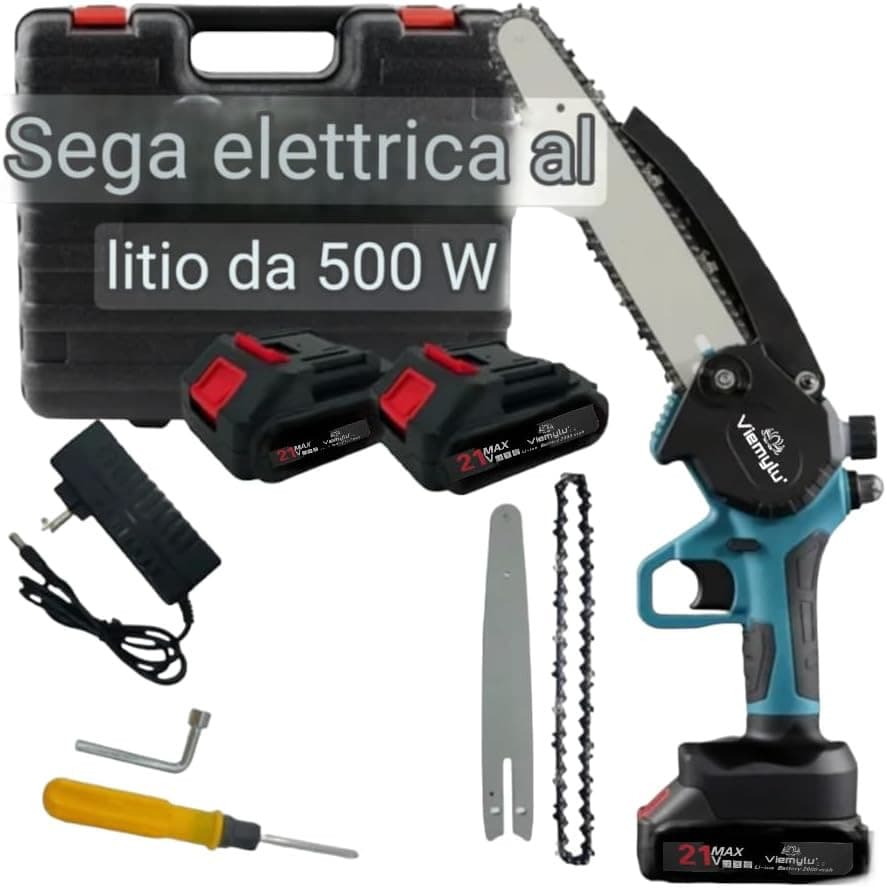
- Frequent or demanding use: angle grinders, reciprocating saws, mini chainsaws, impact drivers. These tools draw a lot of current and produce a lot of heat.
- Small battery: with 2 Ah batteries, every bit of energy saved shows.
- Long jobs, for example on a building site or in the vegetable garden, where you do not want to stop to swap batteries.
When you can do without it
- Occasional use: if you drive a few screws a year, a brushed drill lasts for years.
- Tight budget: a bigger battery on a conventional motor is better than a brushless with a small battery.
Beware of the numbers on listings
On a cordless tool the watt figure can be misleading: real power depends on the voltage and the current the battery can deliver. To compare two tools of the same type, look at torque (Nm), revolutions per minute, voltage and battery capacity, and read our battery guide. A “1,500 W” brushless sold cheaply is not automatically more powerful than one with more modest claims.
How to recognise it
Look for the word “brushless” or “BL” on the listing. If it is not there, assume the tool has brushes. Some brushed tools have two caps on the body, one on each side: these are the access points to the replaceable brushes.
In short
| Brushed | Brushless | |
|---|---|---|
| Price | Lower | Higher |
| Maintenance | Brushes to replace | Almost none |
| Efficiency | Good | Higher |
| Runtime with the same battery | Standard | Often longer |
| Repair | Simpler | Harder |
The simple rule: if the tool works a lot or for long periods, choose brushless; if you use it rarely, save and invest in a better battery. To choose the right drill also read how to choose a cordless drill driver.
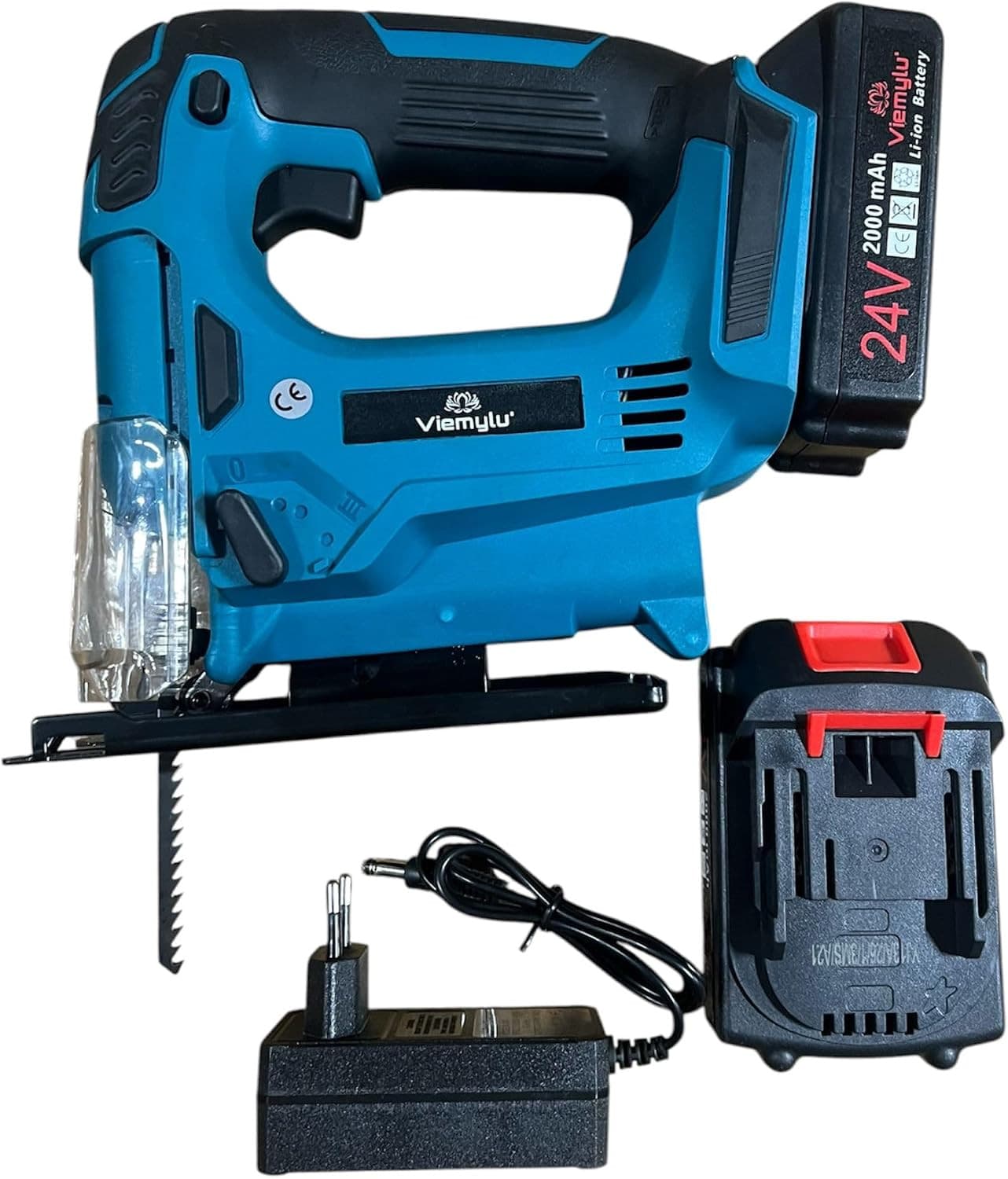
You will find brushless tools in the DIY category; below are the ones mentioned in this guide.