Padel · 3 min read
How to choose a padel racket: shape, weight and materials
Round, teardrop or diamond? Weight, balance, carbon or fibreglass: a guide to choosing the padel racket that suits your level and your style of play.
Viemylu editorial teamPublished on
Anyone new to padel feels that every racket is the same as the next: a frame, a face full of holes, a handle. In reality three features, shape, weight and materials, change enormously how the racket responds. Here is how to find your way, from your first racket on.
What the rules say
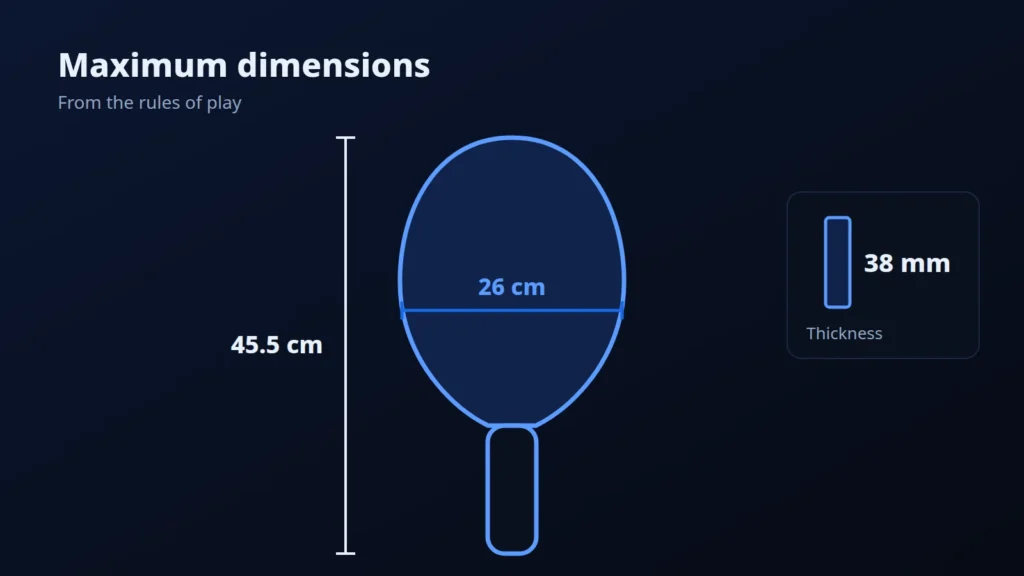
A padel racket is solid and perforated, with no strings. The international rules set the maximum size: length 45.5 cm, width 26 cm, thickness 38 mm. Weight is not regulated and, in practice, rackets range from about 340 to 375 grams.
Shape: round, teardrop, diamond
It is the most important choice.
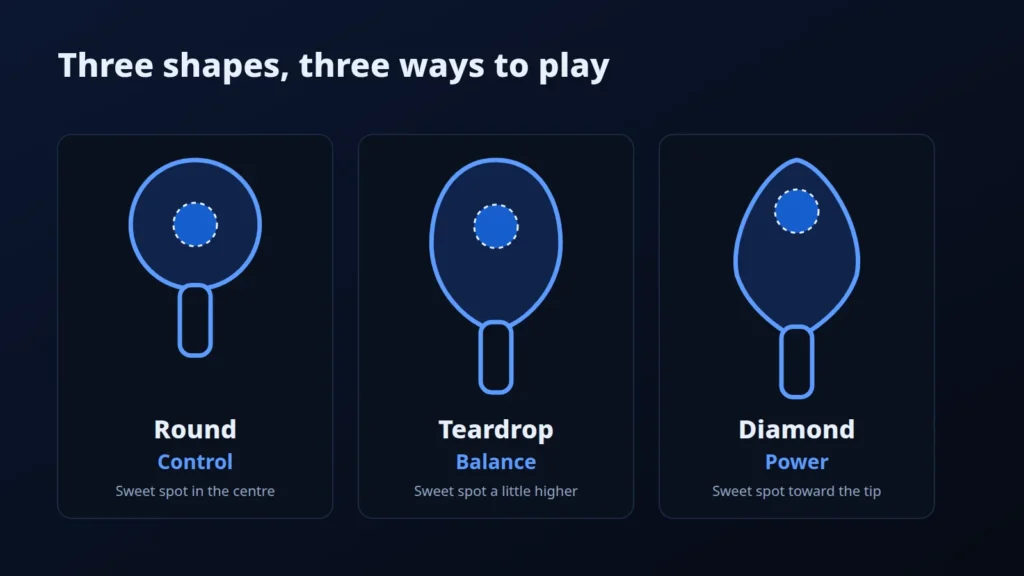
- Round: the sweet spot, the area where the ball comes off best, is in the centre and large. It is the most precise and easiest to control. The best choice for beginners, for those who want feel and for those who mostly defend.
- Teardrop: the middle way. Sweet spot a little higher, a good balance of control and power. It is the most common shape among intermediate players.
- Diamond: the weight is concentrated at the top and the sweet spot moves toward the tip. It gives plenty of power on smashes and the víbora, but is less forgiving of mistakes. It suits players who already have a good stroke and play aggressively at the net.
Weight and balance
- Weight: a lighter racket (340-355 g) is more manoeuvrable and tires the arm less. A heavier one (365-375 g) gives more stability and power but needs more strength and wrist control.
- Balance: it shows where the weight sits. Low (toward the handle) = more manoeuvrability and control; high (toward the head) = more power; medium = a compromise.
If you have discomfort in the elbow, wrist or shoulder, start with a light racket and ask a doctor or physiotherapist: the racket can help, but it does not cure pain.
Materials
The frame and faces are the first factor:
- Fibreglass: cheaper and more flexible, more forgiving. Great for starting.
- Carbon (with labels such as 3K, 12K or 16K, which indicate the number of filaments in the weave): stiffer and lighter, it transfers more power and gives more precision. It costs more.
- Hybrid: a mix of the two, for a compromise.
The core (the inner rubber) can be:
- Soft EVA: more comfort, absorbs vibration, more “pop” from the ball. Suited to beginners or anyone with joint problems.
- Hard EVA: more precision and power, but more stress on the arm.
- Foam and other special rubbers: similar to EVA, with specific features declared by each brand.
Which to choose by level
| Level | Shape | Weight and balance | Materials |
|---|---|---|---|
| Beginner | Round | Light, low balance | Fibreglass or hybrid, soft EVA |
| Intermediate | Teardrop | Medium, medium balance | 3K carbon, medium EVA |
| Advanced | Teardrop or diamond | Heavier, high balance | 12K-16K carbon, hard EVA |
| Juniors | Round, junior size | Very light | Fibreglass |
Do not buy the “pro” racket just because a champion uses it: if your level is not theirs, it will punish you with more mistakes and more fatigue.
The most common mistakes
- Choosing by looks or fashion, without checking shape and weight.
- Choosing by price alone: an expensive racket is not necessarily the right one.
- Ignoring weight: a few extra grams are felt after an hour of play.
- Not changing the overgrip: when the handle gets slippery you grip harder, and the arm pays.
Looking after the racket
- Avoid heat: do not leave it in the car in summer or in the sun for hours.
- Use the frame protector for knocks against the wall or the ground.
- Keep it in a bag or a thermal cover.
- Replace the overgrip every few weeks of intense play.
In short
- To start: round shape, medium-light weight, fibreglass or hybrid.
- To play for power: diamond, carbon, hard core, but only with good technique.
- Weight and balance matter as much as shape.
- If in doubt, try a racket before buying, or ask us through the contact form.
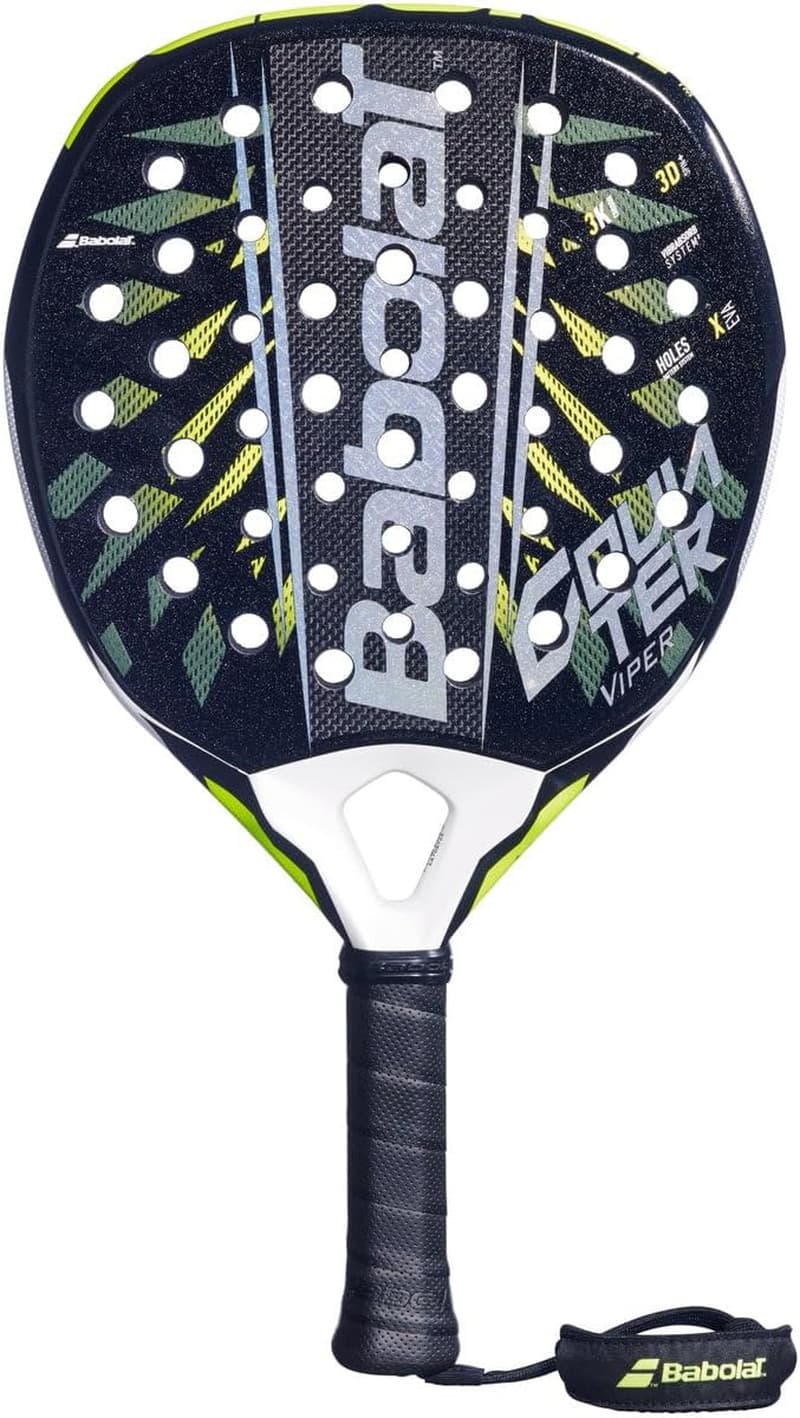
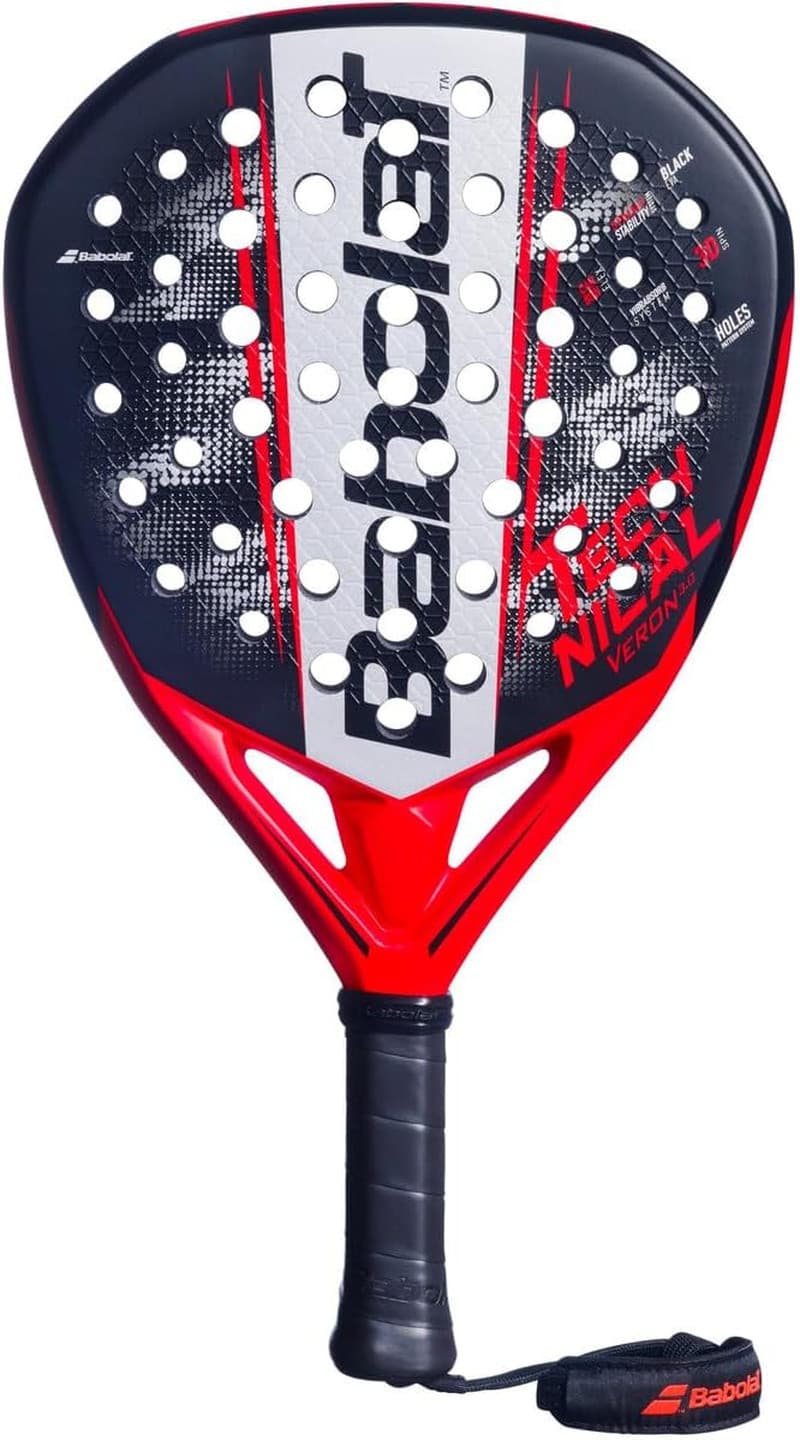
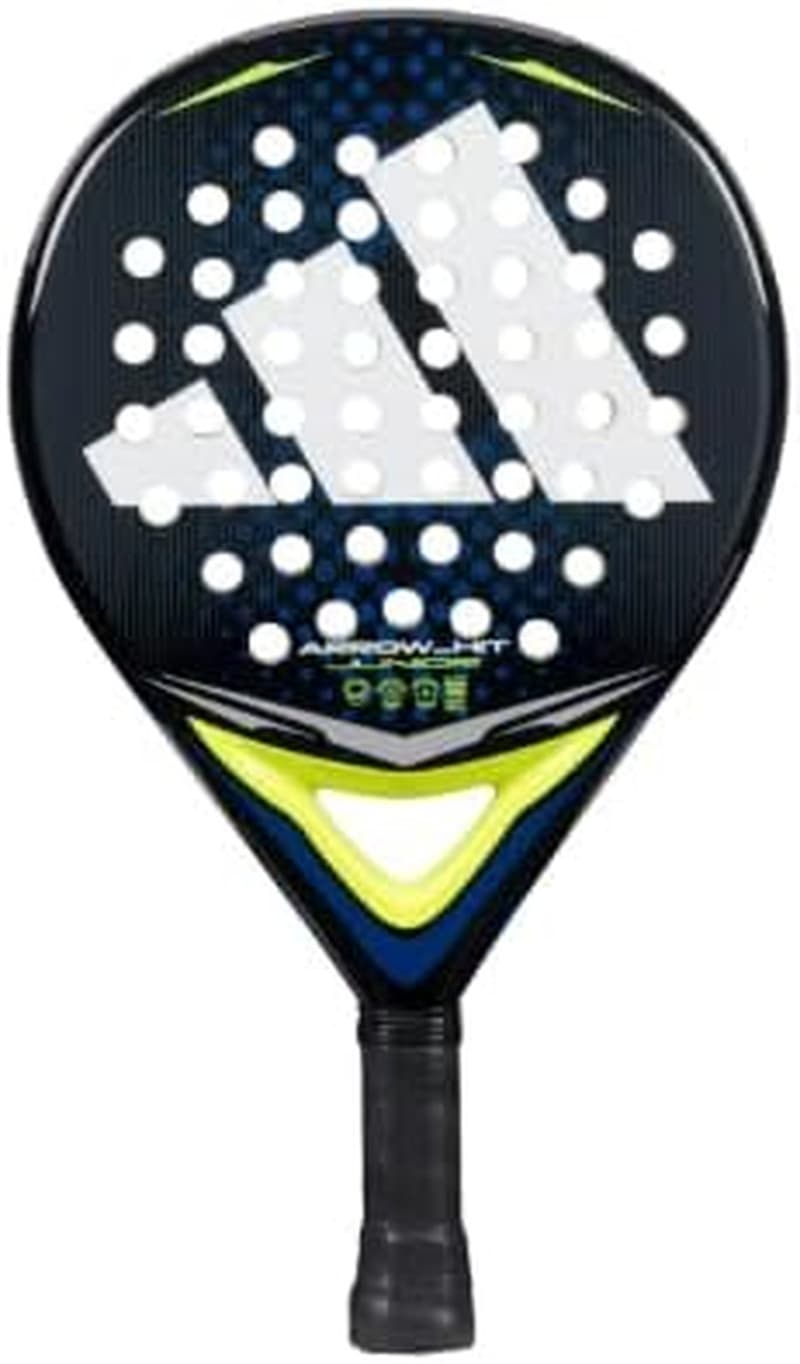
You will find all the rackets in the Padel category; below are a few examples mentioned in this guide.